CKD and Nutrition
Conscious dietary practices in CKD minimize the problems that may arise.
The main purpose of diet applications in dialysis:
- Regulating fluid and electrolyte balance
- Reduce symptoms
- Reducing the burden of the kidney
Our main energy sources are carbohydrates and fats. Unsaturated fats should be preferred.
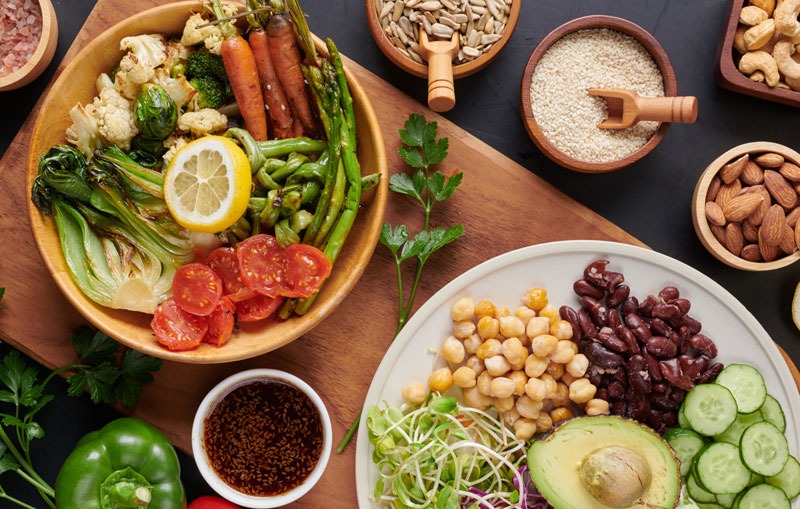
Our main energy sources are carbohydrates and fats. Unsaturated fats should be preferred.
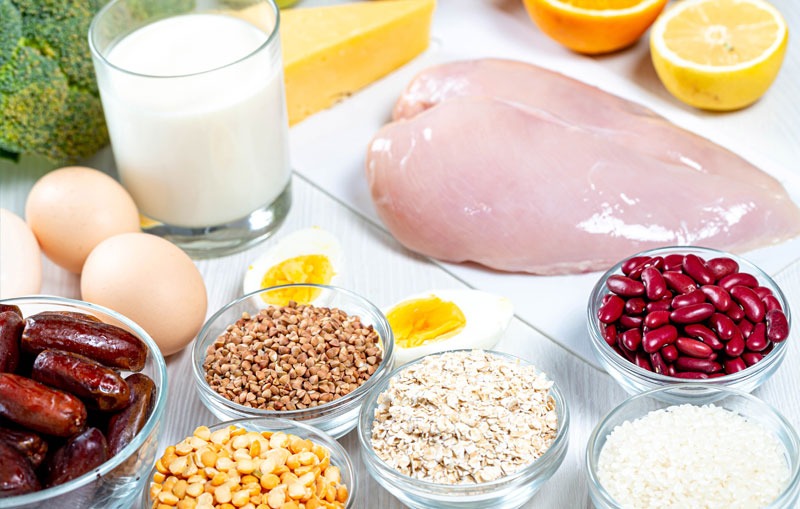
It may be beneficial to limit meat, fish, chicken, eggs, milk and dairy products that are high in protein in your diet.
You need to limit your intake of fluids and sodium (salt and salt products). Since salt retains water in the body, your body needs more water. Avoid salty foods.
Prefer fresh products instead of canned, processed and frozen products.
In the later stages of CKD, you are expected to follow your diet closely. Protein intake should be adequate. In its deficiency, Amino-Keto acid supplements may be beneficial.
When you take too much water, you can observe swelling in your feet and ankles, on your face and in various places.
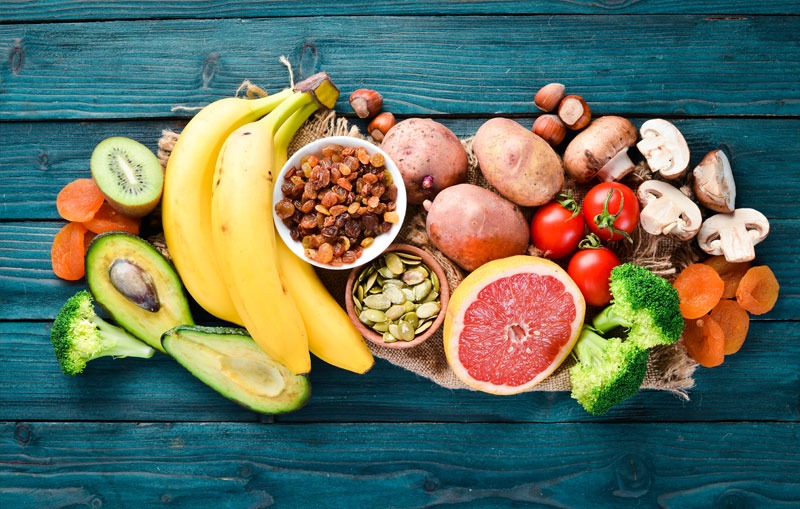
Since potassium will cause irregular heartbeats, arrhythmias and rhythm disorders, foods containing potassium should be avoided.
Foods rich in potassium:
- Vegetable, fruit and fruit juices
- Milk and milk products
- Cookies and nuts
- Whole grain products
- Salty foods
Be careful when consuming foods with high phosphate levels, as high phosphate levels will cause osteoporosis, muscle and joint pain, and itching.
Phosphate-rich foods:
- Meat, fish
- Milk and milk products
- Whole grain products
- Cookies and nuts
- Cocoa and cocoa products
- Carbonated soft drinks